

©️ Dakota Design Company 2017-2025 | All rights reserved. This content may not be reproduced, distributed, or used without permission.
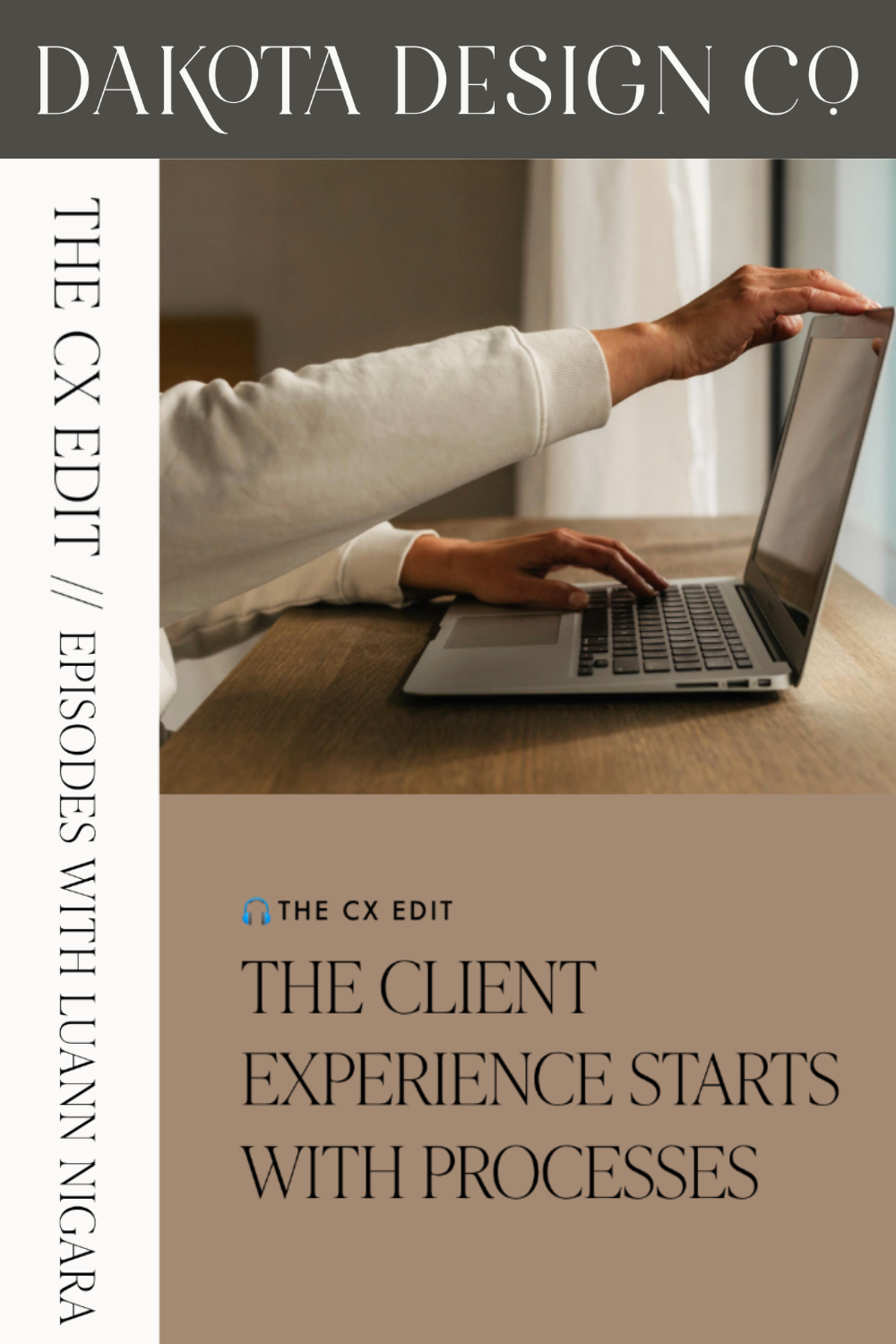
The client experience is something we all think about. How to elevate it so clients feel genuinely cared for without driving ourselves crazy trying to please everyone.
The answer? It’s in your processes.
That’s exactly what I talked about with LuAnn Nigara on A Well-Designed Business, and I’m so honored that this episode was just named one of her Best!
🎧 Tune in as we talk about how clearly defined processes create a high-touch, luxury client experience that benefits both you and your clients.
[09:13] How I help interior designers uncover and define their processes.
[16:24] What the “client experience” actually entails.
[25:49] How the backend of your business shapes every client interaction.
[46:30] The most common process hang-ups I see in design firms.
Looking for more? Keep reading:
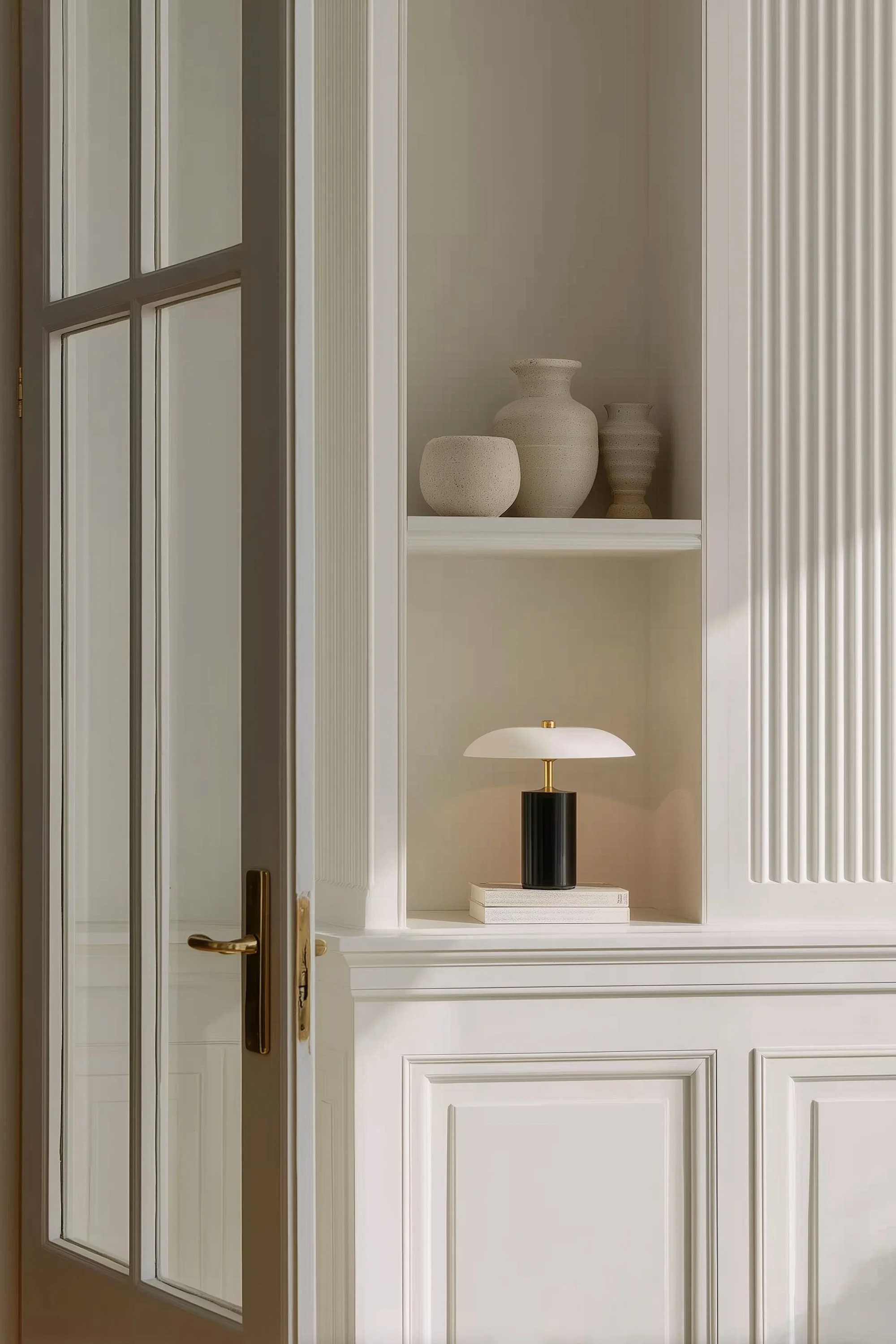
In this post, we will look at millwork applications for doors and windows. It is undeniable that molding trim details add significant visual interest to a room, making it seem thoughtfully crafted. It does not make sense to fill a room with beautiful furnishings and neglect the finishing touches on door and window trim.

There is no doubt that trimwork and moldings add a distinctive touch that gives homes detail and character. Decorative casings, crown moldings, wainscoting, and coffered ceilings wrap a space, imbuing rooms with a sense of enclosure, comfort, and human scale. At the same time, they bring a distinct level of importance and intentionality to spaces. Applied moldings also provide historic references, whether that be Classical symmetry, Craftsman simplicity, or Victorian elegance; millwork gives a space a sense of history, craftsmanship, and a lasting narrative.

In other posts in this KITCHEN CABINET series, we looked at cabinet fabrication and cabinet styling. Here, we will look at problem-solving one specific cabinetry solution.
Whether you are a novice kitchen planner, or have been doing kitchen design for years, one of the peskiest dilemmas for kitchen design is how to handle interior cabinet run corners. There are two problems with cabinet corners: storage capacity, and access. This post breaks down the options to maximize both.
In this previous blog, we explored the merits and considerations of custom cabinetry, semi-custom, and stock cabinets. But beyond choices relative to fabrication, there are many choices to be made regarding cabinet styling. If you specify kitchen and bath cabinetry, these details are likely old hat to you. But if you are new to specifying cabinetry, OR, if you want an explanatory guide to provide to your kitchen clients, continue on.
Let’s delve into the most fundamental styling considerations, including a comprehensive breakdown of cabinet construction types, drawer and door front styles, cost insights, and capacity factors.


When it comes to wood, there is simply a LOT that an interior designer needs to know! Of all materials used in interior spaces, wood dominates as the most widely used material. Unlike materials that might be used for a specific function (like stone for countertops or metal for fixtures), wood is used across nearly every interior component:
Framing: Most residential projects use wood as the primary framing material for walls, floors, ceilings, and staircases.
Architectural Features: Wood is the primary material used for doors, window and door casings, baseboards, and ceiling beams.
Cabinetry & Millwork: Wood, or wood by-products are used for kitchen, bath, and office cabinetry, built-in storage, shelving, and wall paneling.
Furniture: Solid wood or wood derivatives are used to construct tables, chairs, and occasional pieces
In separate posts, we have explored both common and exotic wood species used primarily for flooring and cabinetry. But there are other wood applications that designers must be familiar with. In this blog, we will define specialty applications of wood and wood by-products.

Projects and project budgets that align with these specialized and costly wood species are extremely rare. When a generous budget allows, and for clients seeking an interior that tells a richer story, exotic woods offer an immediate injection of drama, deep texture, and undeniable tactile luxury that standard domestic woods simply cannot replicate. Let’s explore a few of these specialized species.
This article provides an overview of the most commonly used wood species used for flooring and cabinetry, including oak, maple, cherry, poplar, and walnut. With all the wood options available on the market, it is important for interior designers to be well-informed and knowledgeable!