
©️ Dakota Design Company 2017-2026 | All rights reserved. This content may not be reproduced, distributed, or used without permission.
WRITTEN BY DR. GLORIA for DAKOTA DESIGN COMPANY
Interior designers excel at maximizing the visual elements within a space to achieve optimal solutions. We all recognize that a beautifully composed interior space is the result of meticulous planning and creative intuition. Designers manipulate visual elements to trick the eye, evoke specific moods, and enhance how people function within a space.
For instance, designers manipulate line to direct where one’s eyes should focus. Color is used to add visual interest and as a spatial corrector: by using colors that make elements advance or recede visually, to create a sense of balance and unity, or to create focal points and areas of emphasis. Texture and pattern add visual weight and interest to a space. Lighting is a sculptural tool that adds variation, creates depth, and highlights architectural features. Designers rely on symmetry and balance by organizing objects to provide a sense of order and reduce cognitive clutter.
Designers are skilled at all of these manipulations, and more. But all of these strategies rely on visual perception: what the inhabitants of a space can see visually.
Although interior design is clearly predominantly a visual endeavor, this is not to say that designers ignore the other four senses, which are (in addition to sight): smell, touch, hearing, and taste. After all, design isn't just about what would look good in a photograph; it's about how a space feels when someone is actually experiencing it.
What is Multi-Sensory Focused Design?
Sensory-focused Design, also known as Atmospheric Design, focuses on ways people can experience interior spaces through their other four senses, in addition to sight. Intentionally adding elements that trigger smell, touch, hearing, and taste can greatly impact the experience of being in a specific space, making it emotionally resonant for the person.
Smell (Olfactory Input)
Often, a designer aims to reduce the impact of smell in a space by including natural ventilation or specifying paints and materials with low VOCs (volatile organic compounds, or smelly gases emitted by some manufactured materials).
But olfactory stimulation has become an increasingly common strategy in the hospitality and retail design industries. High-end hotels and restaurants use sophisticated scent-diffusion systems and custom fragrance blends to enhance the guest experience, amplify brand recognition, and increase dwell time. Typically, the scent level is very subtle, and a person may not even realize they are being exposed to scent stimuli. But scent can play a critical role in creating a positive perception and lasting impression of those locales.
Aromatherapy involves a more deliberate and perceptible use of scent stimuli, using essential oils made from plant compounds to trigger either a calming, or an energizing biological response. In a spa setting, aromatherapy is less about making the space smell nice and more about creating a sensory experience to deepen relaxation or rejuvenation.
Touch (Haptic Input)
We all know that spaces with only hard, flat surfaces can feel cold and clinical. Tactile surfaces provide a sense of warmth and groundedness. This reaction is both visual—that a richly embellished surface looks more welcoming—but also experiential—that a surface with ample texture feels so much more alluring to us.
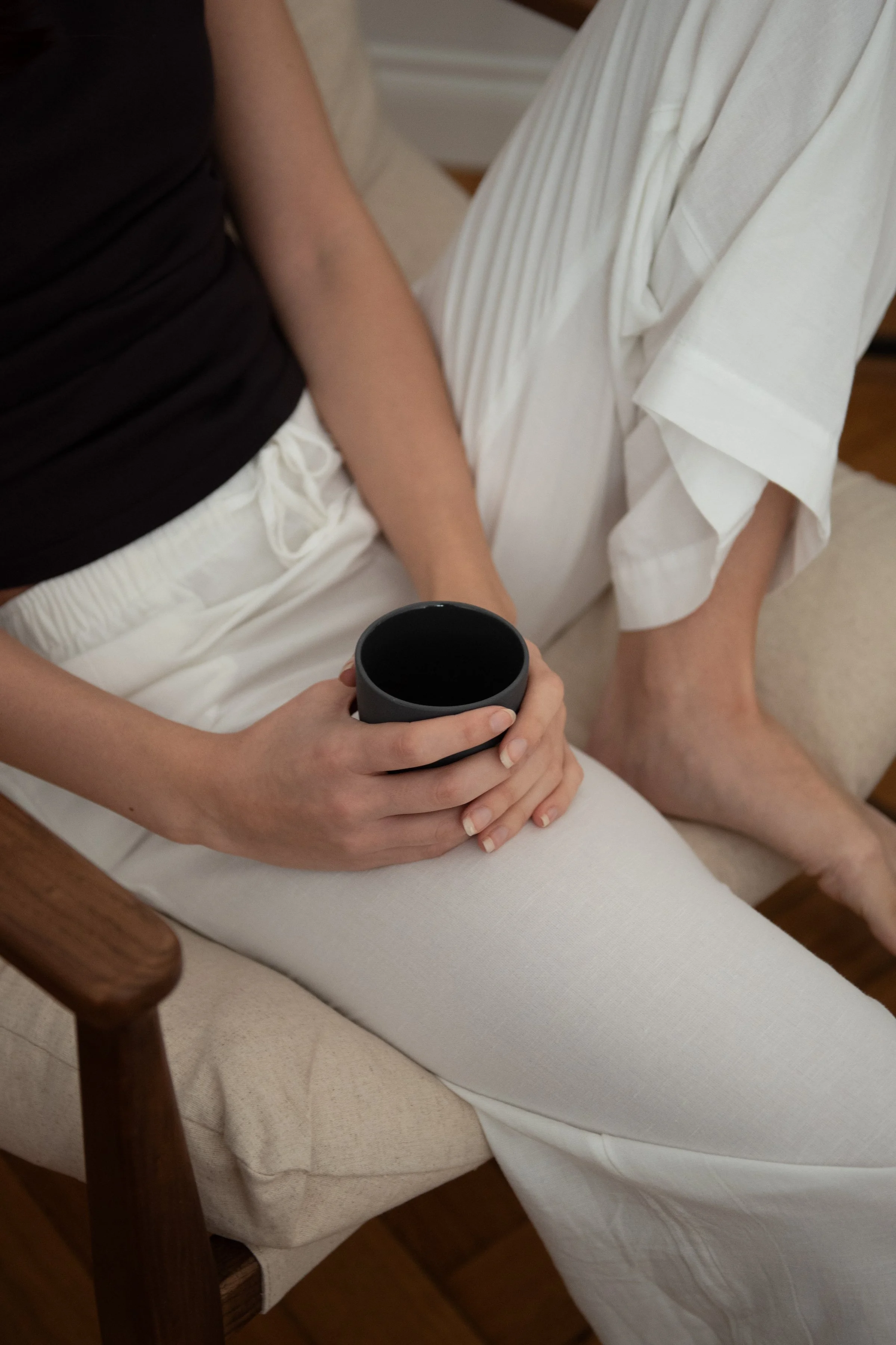
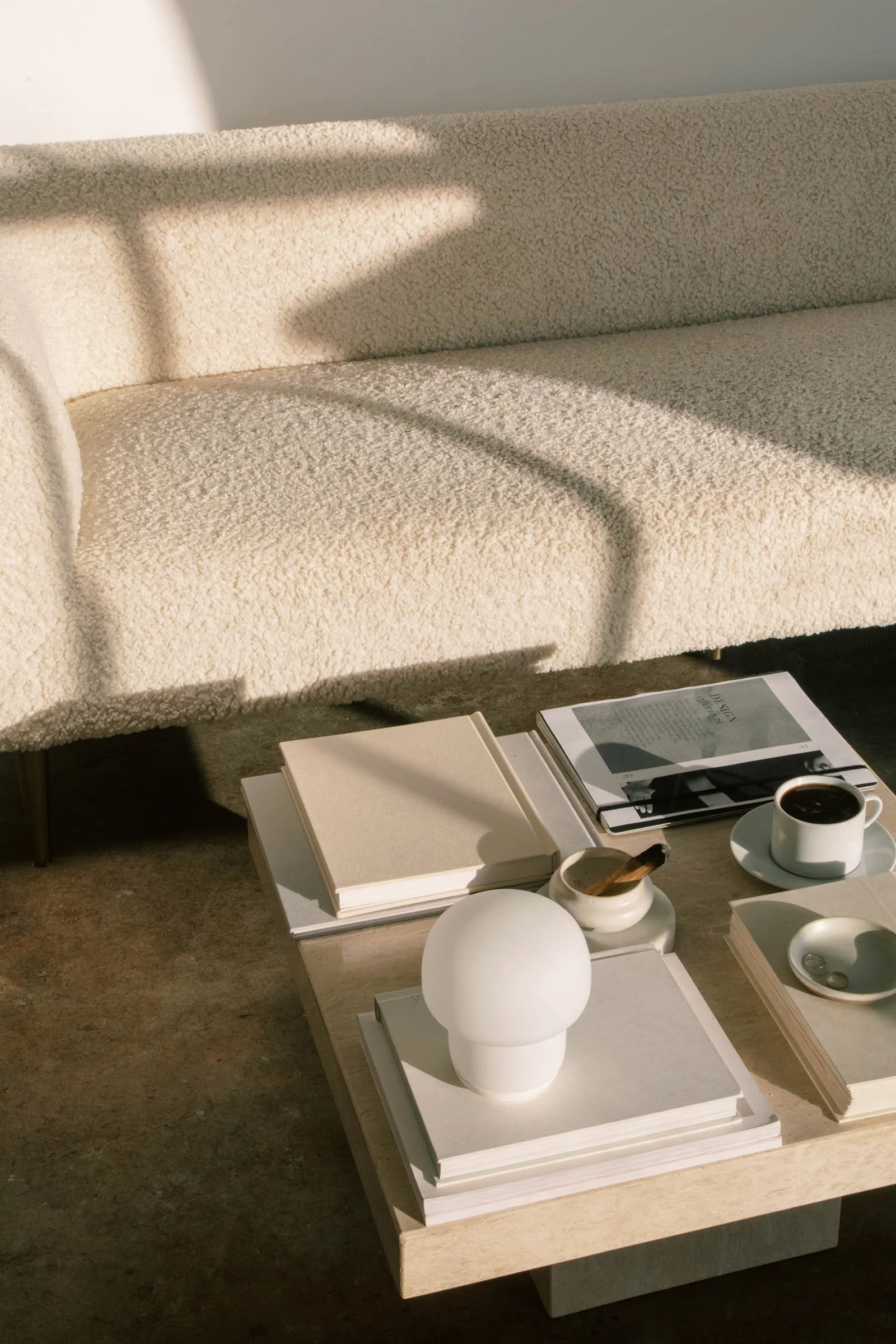
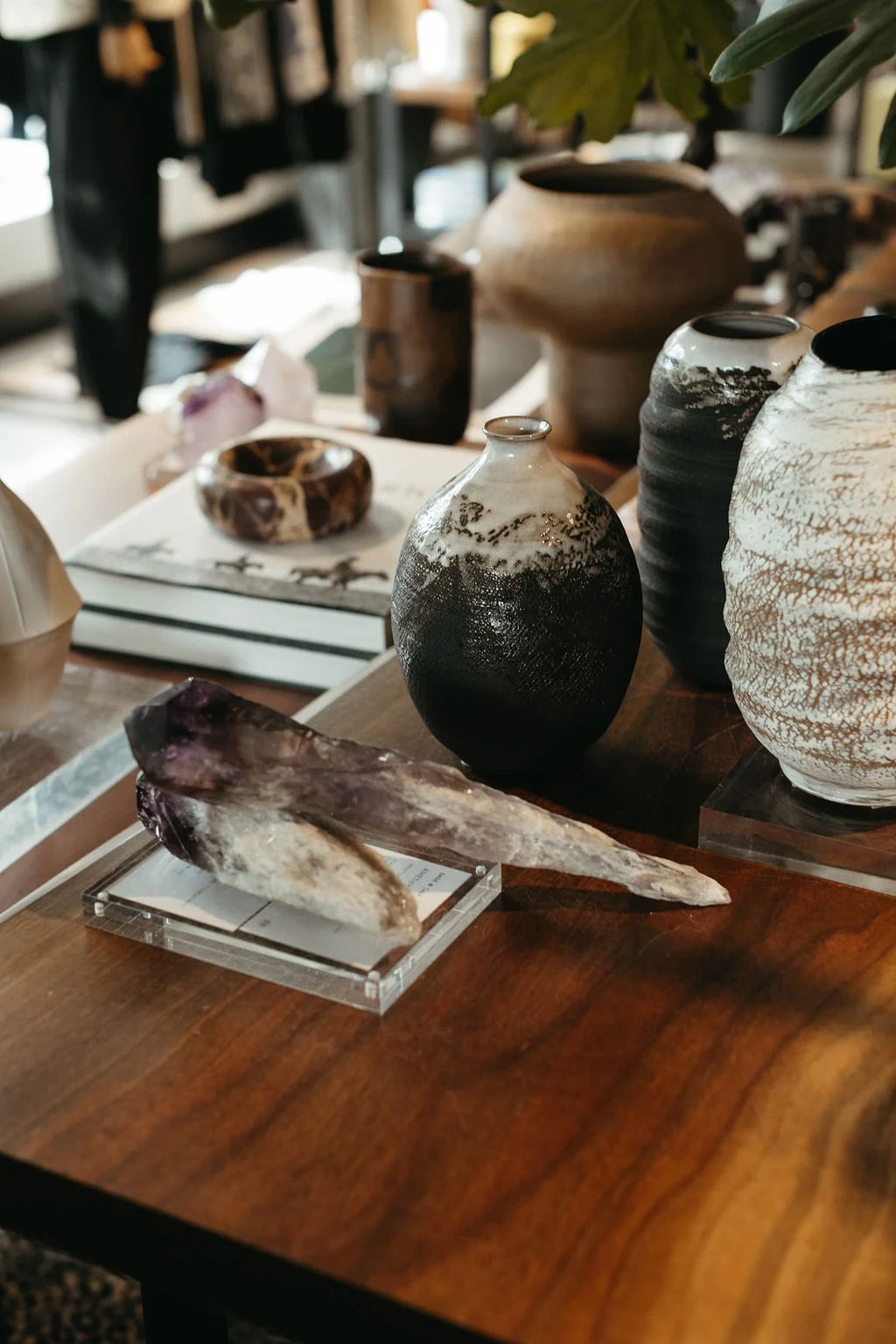
Tactile texture is all about the physical sensation—how a material feels to your skin. Think about walking barefoot over a plush wool rug, sinking into a nubby bouclé armchair, running your hand over the shiny, rippling texture of zellige tiles, or running your hand across the rugged live edge of a wood slab countertop. These are sensory-rich encounters with textural materials. And feeling something of tactile interest is an enriching experience.
Sound (Auditory Input)
As with smell, the goal of designers with sound is often to limit or reduce its perception or impact. Often, the design objective is to mask sounds from outside, or to deaden the reverberation of interior noise, perhaps by incorporating rugs, heavy draperies, and upholstered furniture. Read more about acoustics and sound control here.
But, as with smell, sound can enhance and deepen the experience someone has in an interior space. Music and pleasant sounds could be considered the invisible architecture of a room. While we focus heavily on what we see, what we hear can affect how we feel and how long we choose to stay in a space. Sound can transform an environment in many ways.
Subtle sound input is used to add acoustic privacy to quiet spaces. In open-plan offices or busy restaurants, a complete lack of sound can actually be uncomfortable, making one feel as if they are being scrutinized. In a quiet library, every cough or keyboard click feels amplified. Adding “white noise”—continuous, low-level background sounds—creates a sense of privacy, making a space feel more intimate and secure.
Biophilic sounds (sounds from nature—such as flowing water or rustling leaves)—have been shown to reduce cortisol levels and improve recovery from mental fatigue. And sound added to a space can create emotional reactions in other ways as well: a bar with soft jazz music feels sophisticated, slow music encourages longer dwell times, perhaps to browse longer and spend more in a retail environment, and in a quick-service restaurant, faster music can increase the table turnover rate by subconsciously encouraging people to eat and move more quickly.
Taste (Edible Input)
Restaurant design has changed enormously in the last few decades. Restaurant design of yesteryear aimed to always keep the dirty business of kitchen work out of sight and out of mind. You certainly don’t want your customers to see their food being prepared!!! Or do you???
Today, restaurant design often aims to do just that—to have the kitchen be open to the view of the customers. Often called “display kitchens” or “exhibition kitchens,” designers and restaurateurs favor this tactic for several strategic, psychological, and sensory reasons. First, it builds trust that the food is being prepared well in a clean environment. And diners feel like insiders who are part of the process, fostering a sense of community and loyalty. It also allows the restaurant to showcase the chefs' technical skills, transforming them from invisible workers into performers and personalities.
But more importantly, an open kitchen design enhances the customer's sensory experience. No, they cannot actually taste the food until it arrives at their table. But the sights of the flames, the sounds of sizzling, and the aromas wafting into the dining room stimulate the appetite, making the wait for food feel shorter and more tantalizing. It is almost as if a person can experience the food before putting it in their mouth.
Another way designers capitalize on taste stimuli is by using colors that evoke subconscious taste responses: chocolatey browns, buttery creams, citrussy oranges, or any other food-related colors appeal to us because of the pleasant tastes we associate with them.
An Example of Sensory-Rich Media
Film-making, like interior design, is a medium that relies strongly on visual communication. When writing this post about the enhanced experience that sensory-rich interior environments can induce, I could not help but think of a recent streaming series I watched: “White Lotus” (I am sure many readers have enjoyed it as well). There is something about the way the director utilized sensory storytelling that made this series so much more enticing. Specific shots and sequences in the film focused on what we may hear, smell, feel, and taste if we were actually in the locale of those White Lotus hotels.
Close-ups of a tropical flora alluding to the fragrant aromas, animalistic sounds that created a sense of unease and unfamiliarity, characters always looking slightly overheated, sweaty, and sticky to suggest the heat and humidity levels, the high-saturation color palette of the scenery, sets and costumes, and the quick movements of reptiles and native wildlife scurrying about to remind viewers of the other-worldliness of the exotic locales. Watching the episodes was a sensory experience.
So, Is It Always a Good Idea to Use Sensory Rich Elements in Interior Design?
Sensory-rich design elements—that stimulate our senses of smell, touch, hearing, and taste, in addition to sight—can create deep, visceral responses, enhancing the experience we have within interior spaces. But is that always appropriate for everyone?
No. There are a few distinct user types for whom sensory-rich design is strictly discouraged. People on the Autism spectrum can be easily overstimulated by their surroundings (often called sensory overload), creating a neurological traffic jam. The brain receives more sensory information—sights, sounds, smells, or textures—than it can process at once. The autistic mind lacks the ability to filter out extraneous stimuli: to ignore background noise or the feeling of a clothing tag. Then their world feels physically painful or chaotic.
An analogy for this experience is this….. Have you ever been driving, trying to follow the map on your phone to find an unknown location, and to better concentrate on directions, you turn off the music in your car? You are experiencing sensory overload.
Overstimulation can be quite disruptive for people on the Autism spectrum, and can result in meltdowns, tantrums, panic attacks, or other strong physical reactions, such as shouting, or social withdrawal, as they try to self-soothe.
The best environments for people with Autism include minimal sensory stimuli. There should be muted colors, little pattern, soft textures, and subtle lighting so that environments feel safe, calming, and familiar. Spaces used by those on the Autism spectrum should be simple and unadorned. But it is also important that environments include elements that feel supportive and humanistic, and not institutional. It is a delicate balance of simplicity and detail. Learn more about design for Autism in these excellent books about design for Autism at different life stages (birth to early childhood, childhood to adolescence, adulthood to geriatrics).
Elderly people with dementia can also be easily overstimulated by environmental conditions. Highly patterned carpet, strong colors, and uneven lighting can all be confusing and disruptive. As with Autism, for someone living with dementia, the world doesn't just feel busy—it can feel like an aggressive assault on the senses. A high-stimuli environment can make the brain misinterpret what it sees: shadows may look like holes in the floor, and busy wallpaper patterns may appear to be moving or crawling.
With autism, dementia, and other cognitive impairments, when the brain cannot make sense of its surroundings, it may perceive a threat that can lead to a feeling of agitation or anxiety, and may result in mental and social withdrawal.
What Do Designers Need to Keep in Mind About Multi-Sensory or Atmospheric Design Tactics?
It is always important to consider the needs of the user of a space. While adding design elements that appeal to the other senses (besides sight) is a powerful tool for creating stimulating and memorable spaces, for those who are neurodivergent or have cognitive declines, the world is already too loud. When the brain struggles to filter out background data, a scented candle isn't just a nice touch; it’s a sensory assault. Consider the space’s users: will they be engaged and invigorated by a stimuli-rich environment? Or, do they need simplicity and order in order to function optimally?

Want The Design Brief® delivered straight to your inbox?
If you liked this article, be sure to sign up for The Design Brief®, our complimentary publication that gives you bite-sized lessons on all the technical interior design topics you didn’t learn (or forgot) from design school—straight from our resident tenured interior design professor!