The Design Brief® | Design Principles - Utilizing Rhythm in Design

©️ Dakota Design Company 2017-2026 | All rights reserved. This content may not be reproduced, distributed, or used without permission.
WRITTEN BY DR. GLORIA for DAKOTA DESIGN COMPANY
In this post, we will explore the design principle of RHYTHM. The design principles are the strategies that pull together chosen elements into a cohesive, pleasing, and unified completed space. If the design elements (line, shape, pattern, texture, color) are the ingredients—as in a recipe—the design principles (balance, rhythm, scale and proportion, emphasis, and unity) are the way that those ingredients are artfully combined to create a pleasing composition.
Rhythm is a tool that designers and homeowners often utilize instinctively by repeating certain elements within a design. But when used very intentionally, rhythm can be the means of creating visually stunning and memorable spaces.
Borrowed from musical vocabulary, rhythm is the underlying repetition of elements that anchor a design’s composition. Much like a drumbeat that maintains the tempo and holds a piece together, repetition of an element in an interior space supplies cohesion to the overall design. Rhythm punctuates the composition of a room in the same way that a drum beat adds an underlying structure to a musical composition.

Interior designers often repeat a certain color or motif throughout a space. Or they may replicate certain shapes or lines, such as a drum-shade pendant over a round table or a gallery wall with several rectangular framed pieces.
In architecture and interiors, the repetition of elements creates harmonious, aesthetically pleasing coherence and unification. Related visual elements seem to satisfy a basic human need for visual consistency. Randomness, on the other hand, seems incongruous or unsettling to us. Simply put, the repetition of identical or slightly modified elements establishes rhythm, and rhythm provides order to our visual experience.
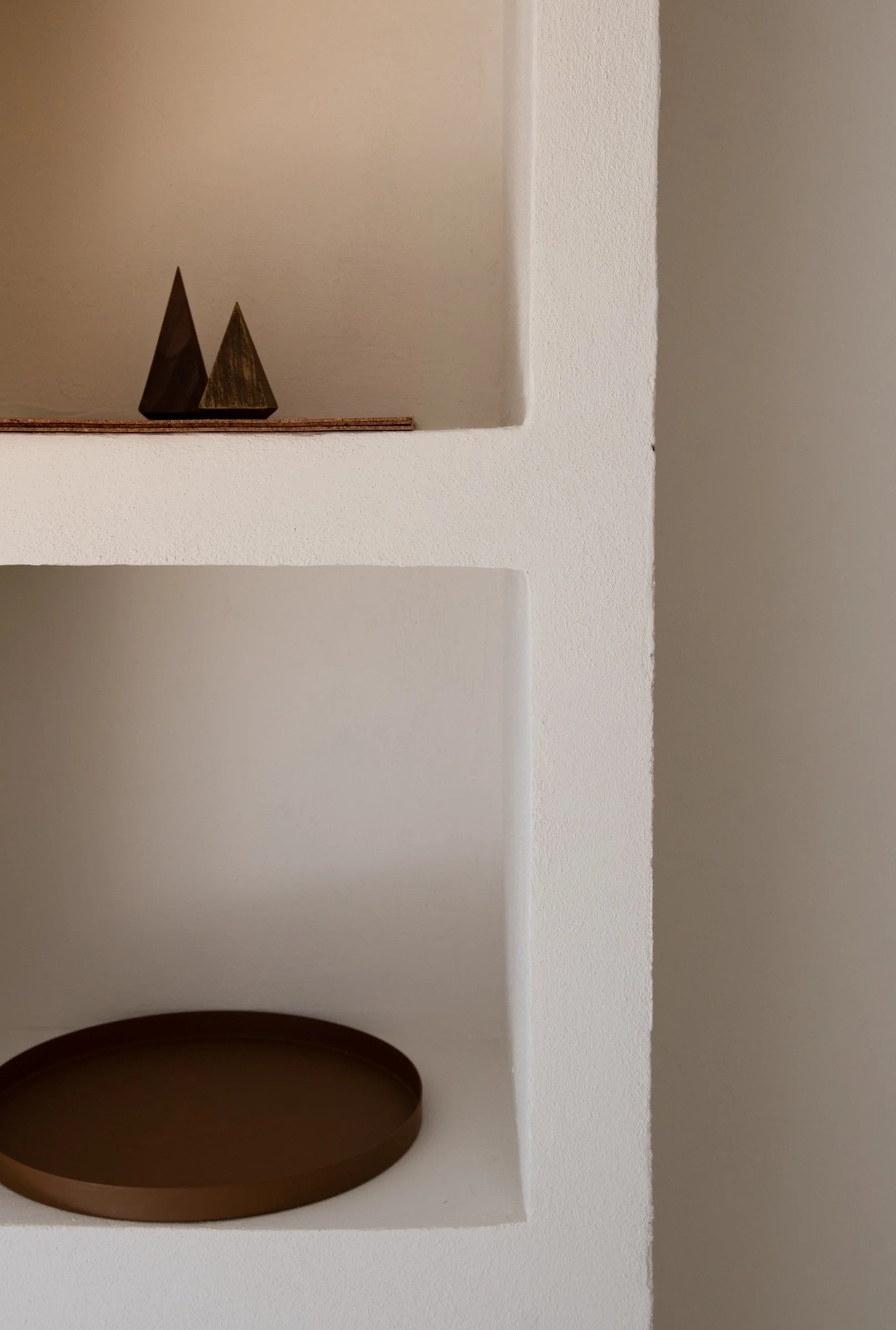
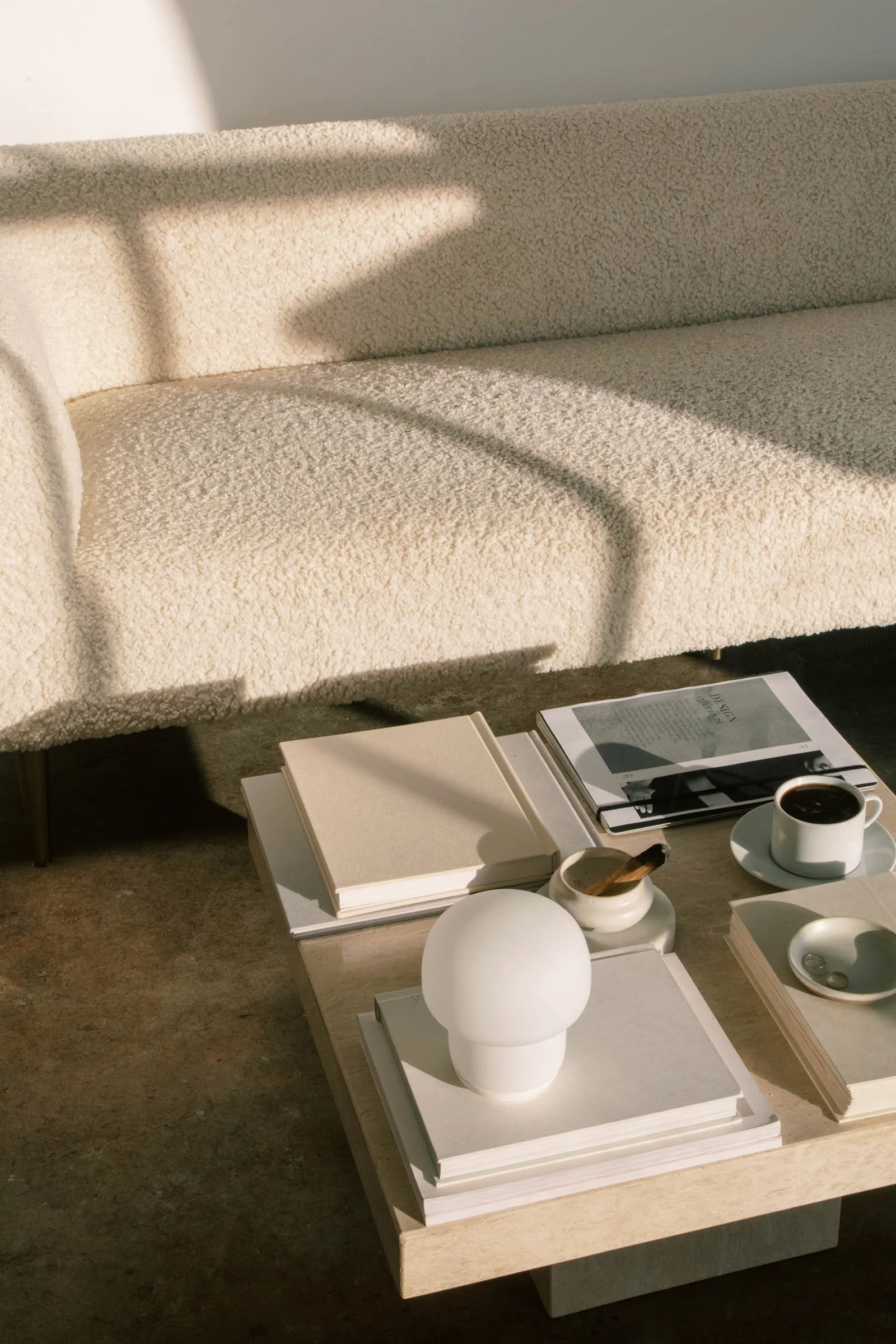
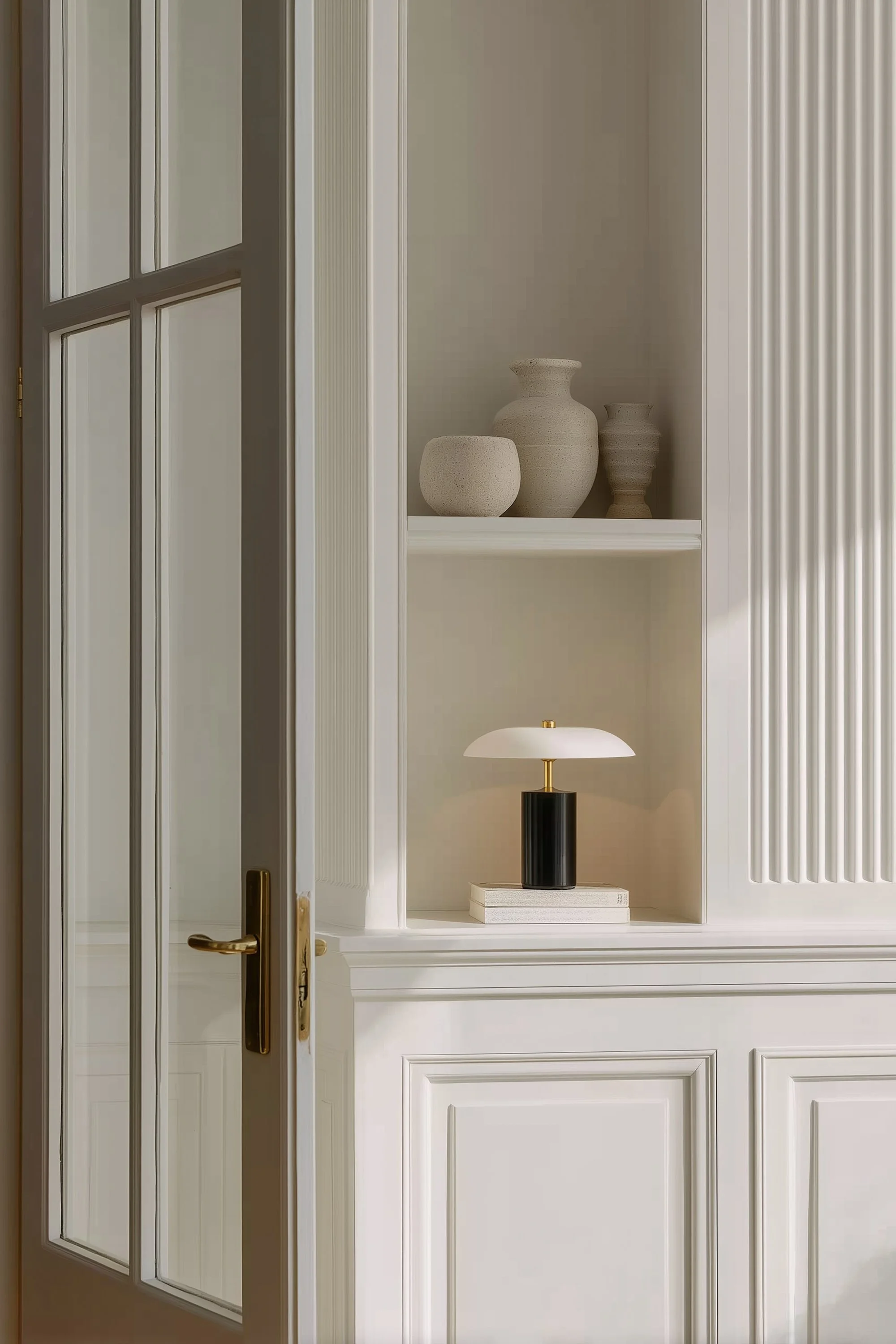
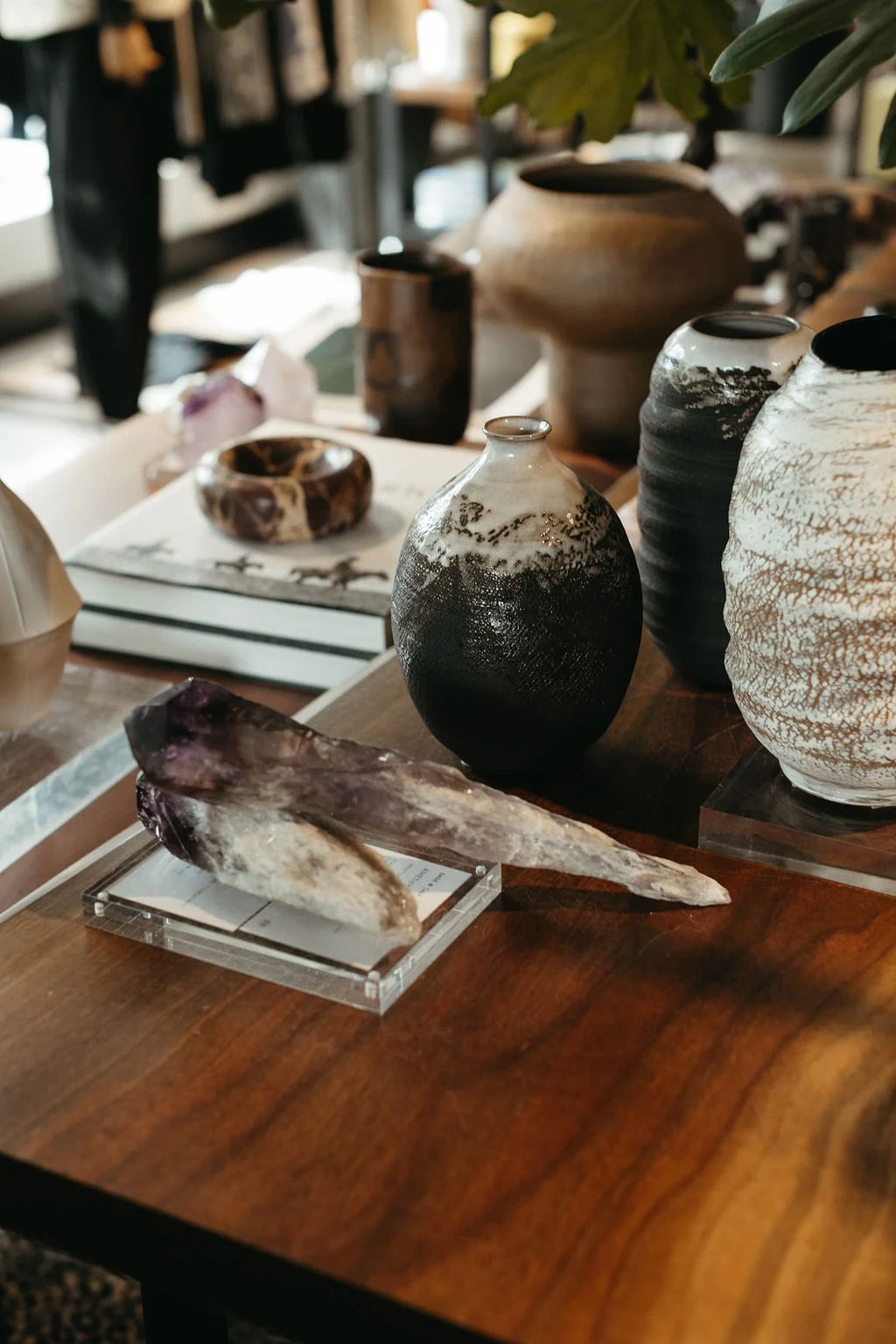
In the images below, the repetition of architectural and design elements provides a unified and pleasing aesthetic to these spaces. If, on the other hand, the lighting, furniture, and wall placements in the restaurant on the right were random and highly varied, we would not see the same level of visual cohesion and unity.

The ancient Greeks (800 BCE to 323 BCE) and Romans (509 BCE – 476 CE) understood that repetition provided great aesthetic appeal. So, while the strategy is hardly innovative, today we have unlimited resources from which to create rhythm and repetition in architecture and interior design.

The Various Types of Rhythm
Regular rhythm repeats the exact same element, color, or motif within a space to create unity. A consistent color scheme, repetitive textures or shapes, or the duplication of an exact interior element creates a calming, cohesive visual consistency.

Progressive rhythm - unlike regular rhythm (where the same thing is repeated exactly), progressive rhythm uses gradual and predictable changes in size, shape, color, or texture with each repeated element. Progressive rhythm acts like a visual crescendo leading the eye along a path as the elements evolve.

Alternating rhythm occurs when two or more different elements are arranged in a predictable sequence, such as an A-B-A-B or A-B-C-A-B-C pattern. Alternating rhythm provides more contrast and visual interest than regular repetition, while still maintaining a strong sense of order and structure. Stripes or checkerboards, by their very nature, provide alternating rhythm.
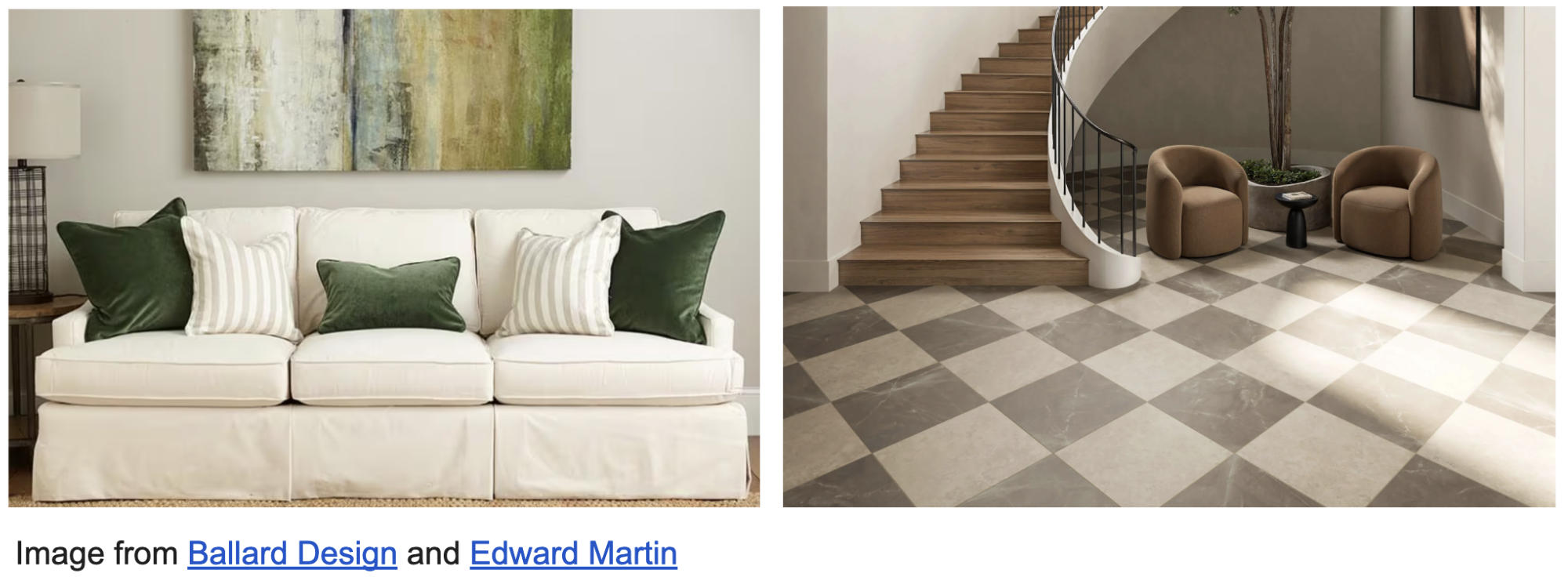
Radial rhythm occurs when design elements radiate outwards from a central point in a circular or spiral pattern, just as ripples radiate outward when a pebble is dropped into a pond. With an obvious center in a composition, there is a focused, concentrated feeling to radial rhythm.

Using Rhythm Effectively
While rhythm is easy to achieve through the simple repetition of an element or color, it is through the deliberate and nuanced application of repetition that a designer transforms a static space into a dynamic experience.
With a keen eye and judicious intent, designers employ the various rhythmic strategies to create inspired, cohesive environments. Used effectively, rhythm as a design principle transcends the monotony of simple repetition, instead creating a sophisticated flow that is felt as much as it is seen.

Want The Design Brief® delivered straight to your inbox?
If you liked this email, be sure to sign up for The Design Brief®, our complimentary publication that gives you bite-sized lessons on all the technical interior design topics you didn’t learn (or forgot) from design school—straight from our resident tenured interior design professor!