


|
ACTIONABLE BUSINESS STRATEGIES
I
ARTICLES PUBLISHED WEEKLY
|
EXPERT INSIGHTS & ADVICE FOR INTERIOR DESIGNERS
| ACTIONABLE BUSINESS STRATEGIES I ARTICLES PUBLISHED WEEKLY | EXPERT INSIGHTS & ADVICE FOR INTERIOR DESIGNERS
Welcome to The DTS Files for Interior Designers
Business analysis, advice, CLIENT INSIGHTS and field notes for interior designers
The DTS Files is a library of expert insights for interior designers who want to work in a more streamlined, efficient way. Articles are based on real-world consulting experience, strategies I've personally implemented in design businesses across the US and Canada, and a perspective most business educators can't offer: I've been on both sides of the table, as a business consultant and as a luxury design client. Read more below.


The Design Brief® | THE CABINET SERIES: Comparing Cabinet Styles
In this previous blog, we explored the merits and considerations of custom cabinetry, semi-custom, and stock cabinets. But beyond choices relative to fabrication, there are many choices to be made regarding cabinet styling. If you specify kitchen and bath cabinetry, these details are likely old hat to you. But if you are new to specifying cabinetry, OR, if you want an explanatory guide to provide to your kitchen clients, continue on.
Let’s delve into the most fundamental styling considerations, including a comprehensive breakdown of cabinet construction types, drawer and door front styles, cost insights, and capacity factors.


The Design Brief® | The Wood Series: Defining Specialty Applications of Wood
When it comes to wood, there is simply a LOT that an interior designer needs to know! Of all materials used in interior spaces, wood dominates as the most widely used material. Unlike materials that might be used for a specific function (like stone for countertops or metal for fixtures), wood is used across nearly every interior component:
Framing: Most residential projects use wood as the primary framing material for walls, floors, ceilings, and staircases.
Architectural Features: Wood is the primary material used for doors, window and door casings, baseboards, and ceiling beams.
Cabinetry & Millwork: Wood, or wood by-products are used for kitchen, bath, and office cabinetry, built-in storage, shelving, and wall paneling.
Furniture: Solid wood or wood derivatives are used to construct tables, chairs, and occasional pieces
In separate posts, we have explored both common and exotic wood species used primarily for flooring and cabinetry. But there are other wood applications that designers must be familiar with. In this blog, we will define specialty applications of wood and wood by-products.

The Design Brief® | The Wood Series: What to Know About Exotic and Unusual Wood Species
Projects and project budgets that align with these specialized and costly wood species are extremely rare. When a generous budget allows, and for clients seeking an interior that tells a richer story, exotic woods offer an immediate injection of drama, deep texture, and undeniable tactile luxury that standard domestic woods simply cannot replicate. Let’s explore a few of these specialized species.
The Design Brief® | The Wood Series: Exploring Some of the Most Popular Wood Species for Flooring and Cabinetry
This article provides an overview of the most commonly used wood species used for flooring and cabinetry, including oak, maple, cherry, poplar, and walnut. With all the wood options available on the market, it is important for interior designers to be well-informed and knowledgeable!
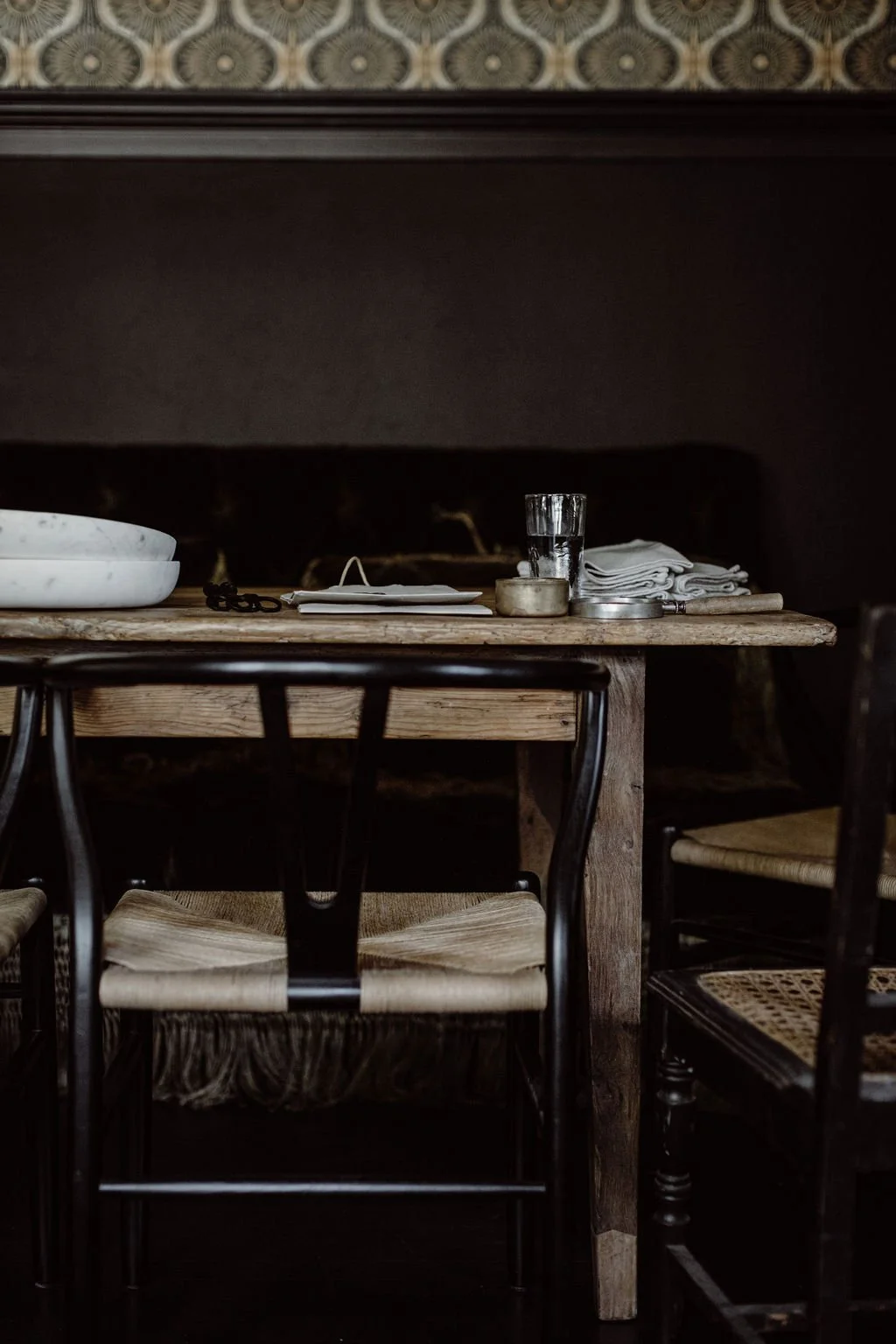
The Design Brief® | Design Principles: Creating a Sense of Cohesion: UNITY in Design
We have covered the design elements—I liken these to the ingredients in a recipe—Line, Shape and Form, Pattern and Texture, Light, and Color in previous posts.
And we have explored the design principles—the strategies for carefully and effectively combining the elements—by utilizing Balance, Rhythm, Scale and Proportion, and Emphasis and Focal Points—more recently.
I have left the final design principle: UNITY for the final post in this series. Why? Because Unity is the overriding and cumulative way in which the contents of a room are woven together into a cohesive whole, transforming a collection of beautiful pieces into a singular, intentional experience. Without it, a room is merely a showroom of disparate items; with it, a space feels resolved, harmonious, and complete.UNITY DefinedIf an interior space is unified, that means that a congruity or agreement exists among the elements in the room; they look as though they belong with one another, as though some visual connection beyond mere chance has brought them together.
UNITY is synonymous with HARMONY. If various elements appear separate or unrelated, the composition falls apart and lacks both UNITY and Harmony.
Unity (or Harmony) in a composition is the agreement of the parts to each other and to the whole. Unity results in a composition in which all the pieces seem to belong together and work to reinforce the overall design theme.
How is Unity Achieved?There are many tactics to unify a space, several of which we will cover here. The key is that the selection and placement of items in a room be strategic and well considered, not haphazard.

HEAR FROM SOME OF OUR READERS:


Looking for help with pricing?

PRICING PLAYBOOK for INTERIOR DESIGNERS
Start with The Complete Guide to Pricing Your Design Services
Learn the most common pricing models used by interior designers, where each works best, and how to spot the signs that your current pricing structure needs to change.
NEED BUSINESS SUPPORT ASAP?
SHOP TEMPLATES
Need the documents behind a streamlined process?
The Design Library includes the client-facing investment guides, proposal templates, welcome guides, SOPs, questionnaires, contracts, and business tools we use and recommend for interior design firms.


SHOP WORKSHOPS & TRAININGS
After consulting with and doing hands-on implementation for over 100 interior design business owners, I’ve seen what works (and doesn’t) across every business model imaginable. The Workroom houses our focused trainings for interior designers on pricing, construction, service structure, business operations, and other areas we teach inside design firms


JOIN 19,000+ DESIGNERS EVERY FRIDAY


